


Kinesiology Tape Cuts and Shapes for Dogs: Full Reference Guide
Kinesiology tape can be cut into a range of shapes, each suited to a different purpose – from simple strips to more elaborate patterns for covering larger areas or creating specific lines of force. This page brings together every cut used across our dog taping guides, so you can see at a glance which shape fits which situation.
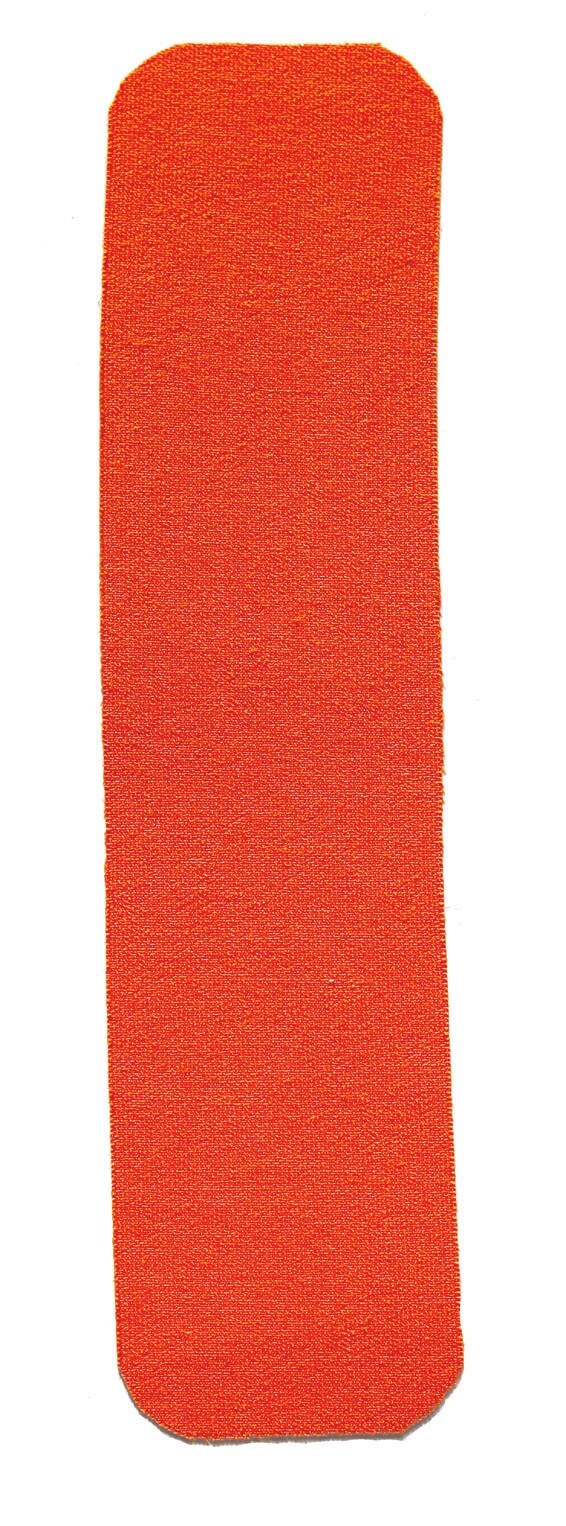
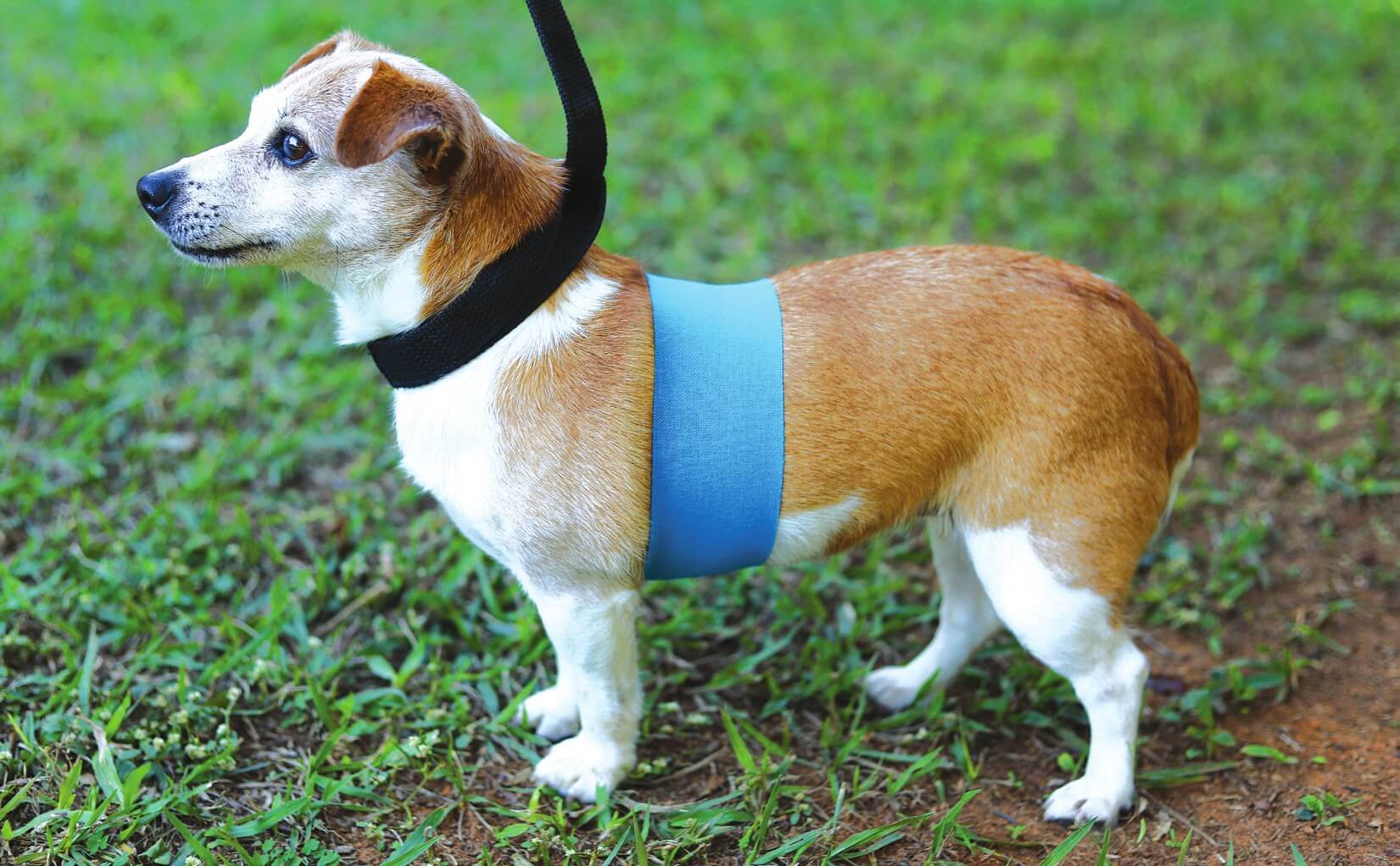
The “I” shape
A single strip with rounded edges – the most commonly used cut, and the basis for most other shapes. Ideal for muscle facilitation or inhibition, compression, decompression, posture correction and general pain relief.
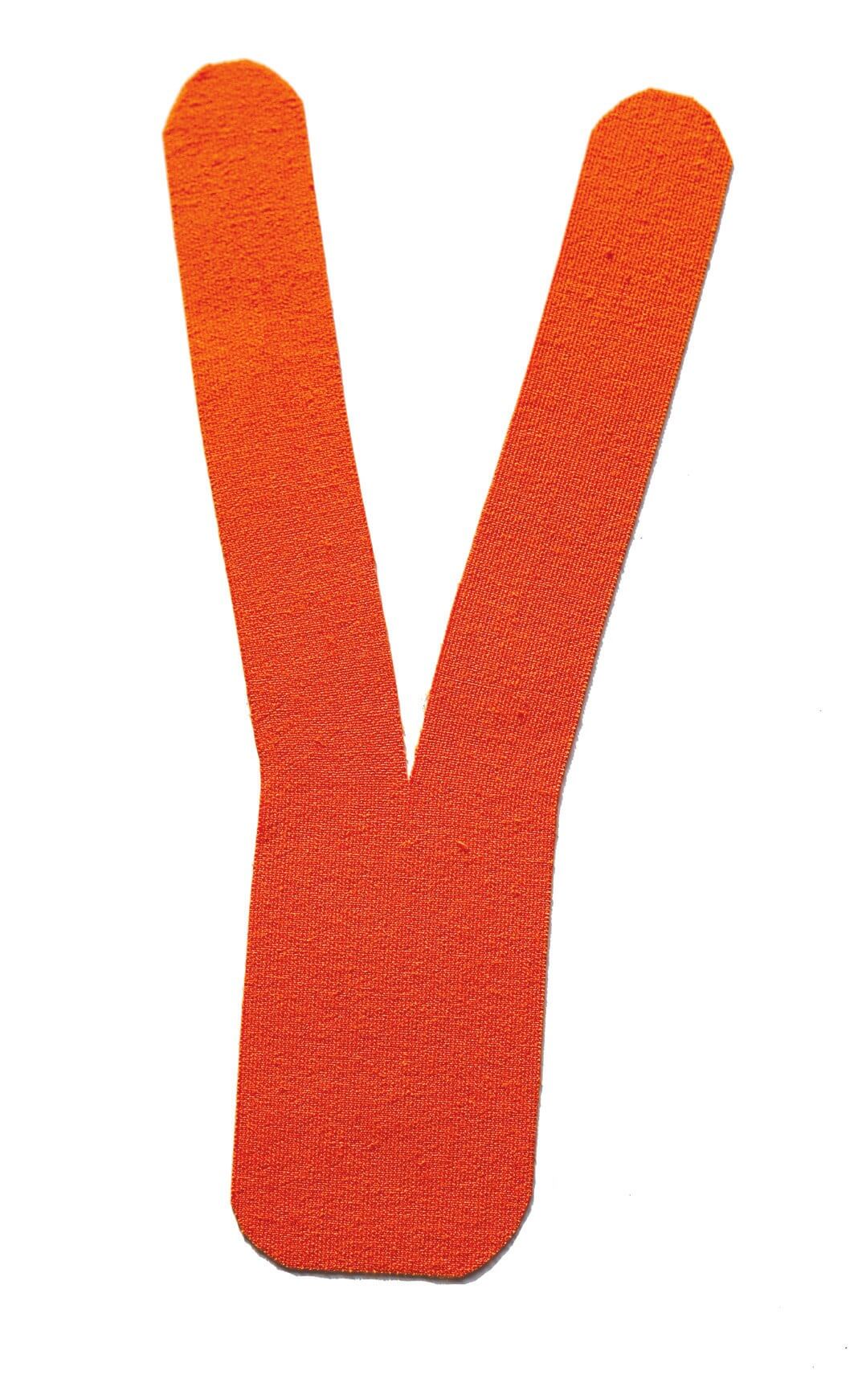
The “Y” shape
A strip divided into two tails at one end, with a longer uncut section than the “V”. Well suited to areas with an anatomical division, or triangular muscles such as the trapezius, triceps brachii or latissimus dorsi.
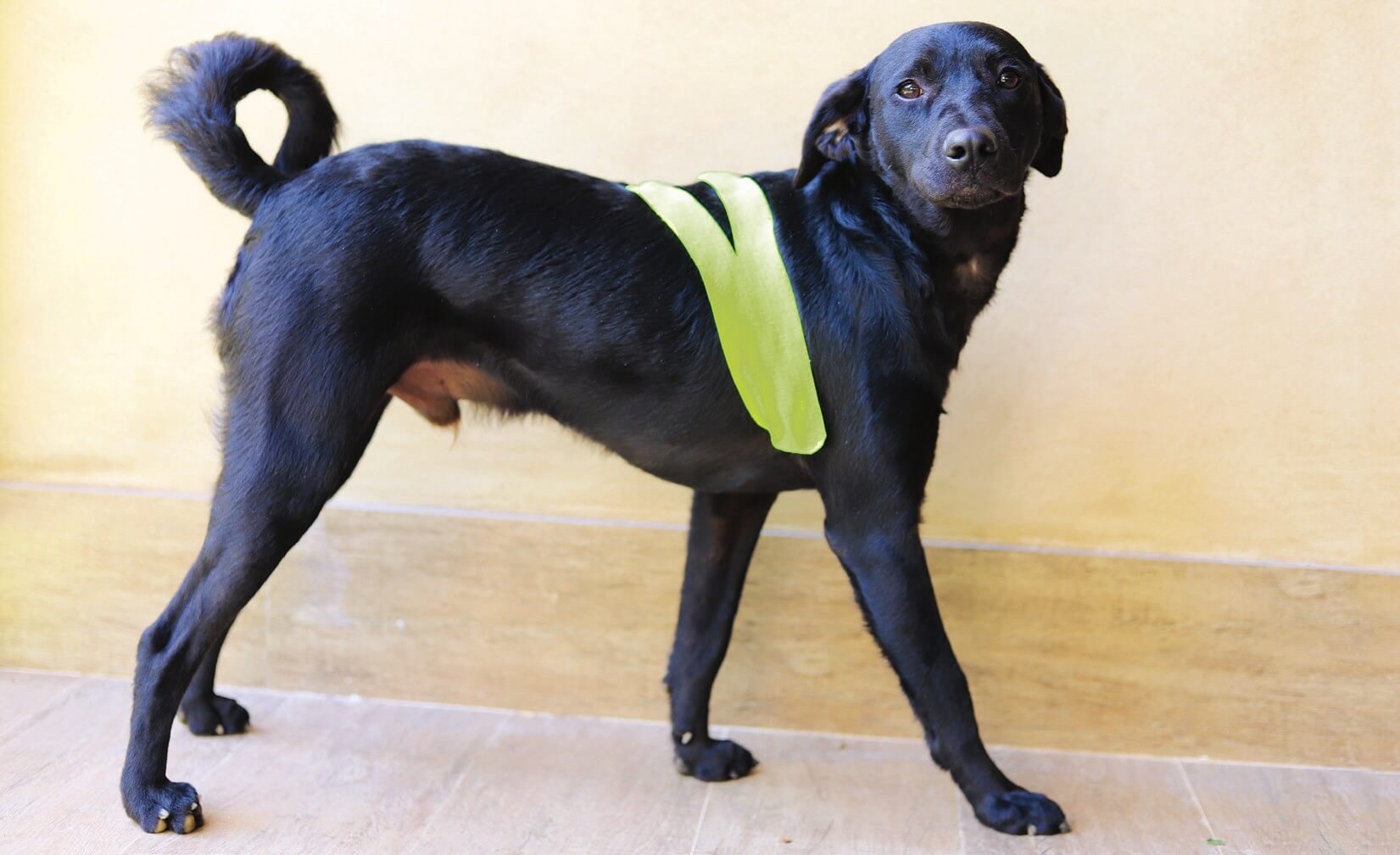
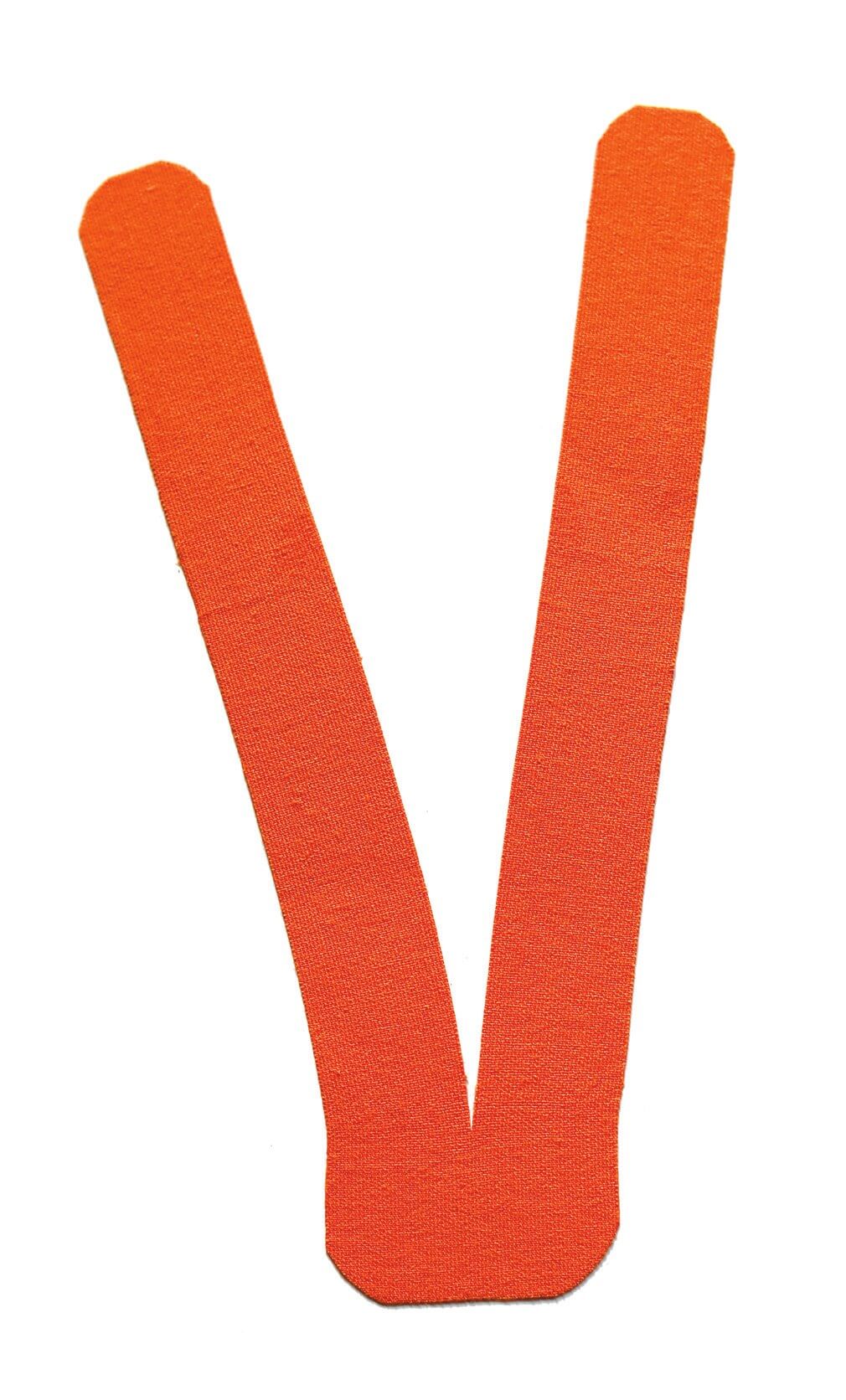
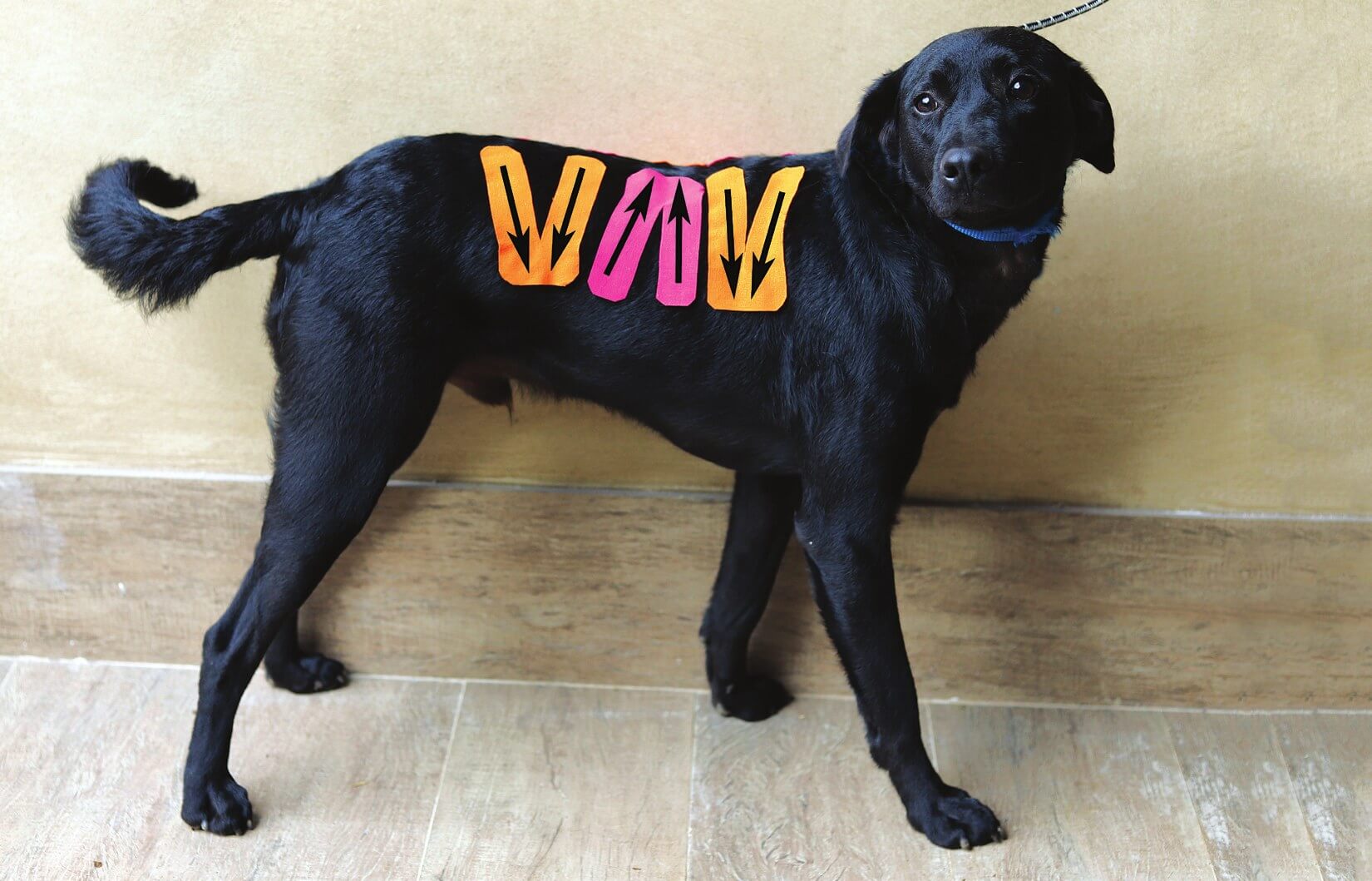
The “V” shape
Similar to the “Y”, but divided closer to the end, leaving less tape for the anchor. Ideal for fascial applications that don’t need extra stretch and need to cover a larger area or create movement in several directions.
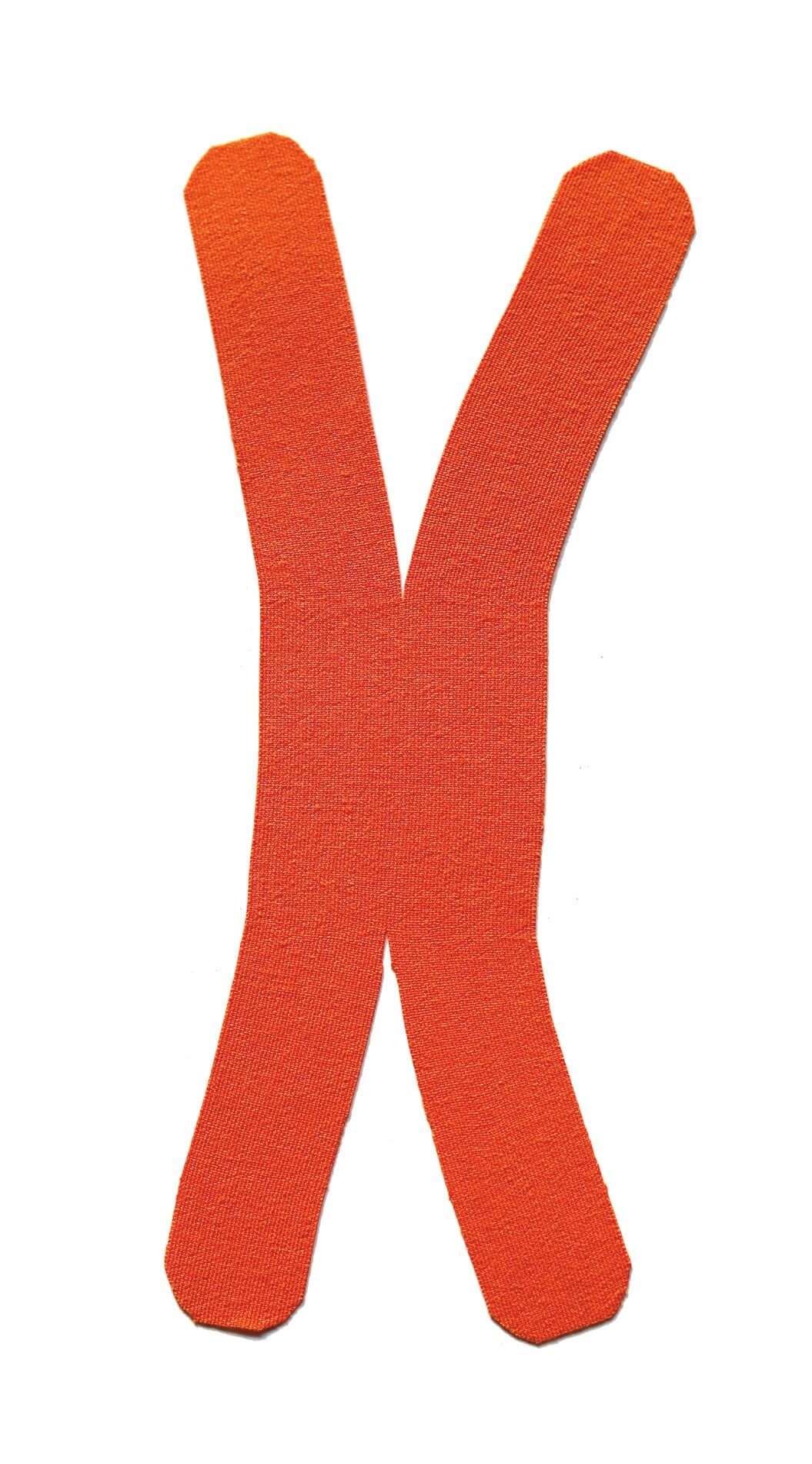
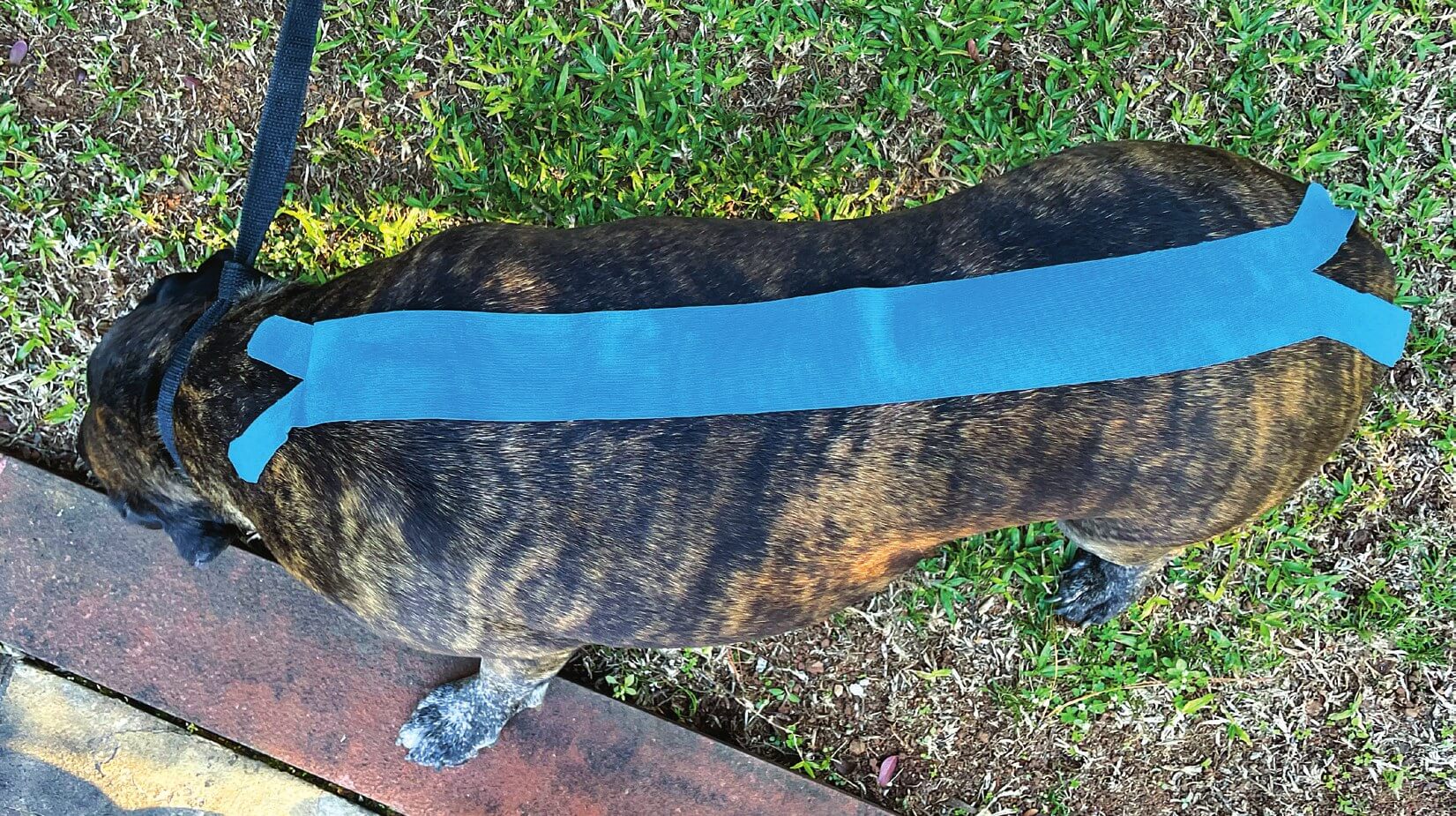
The “X” shape
An “I” divided at both ends. Useful for matching an anatomical division, splitting the force at the end of the tape, or locking two anchors around a limb.
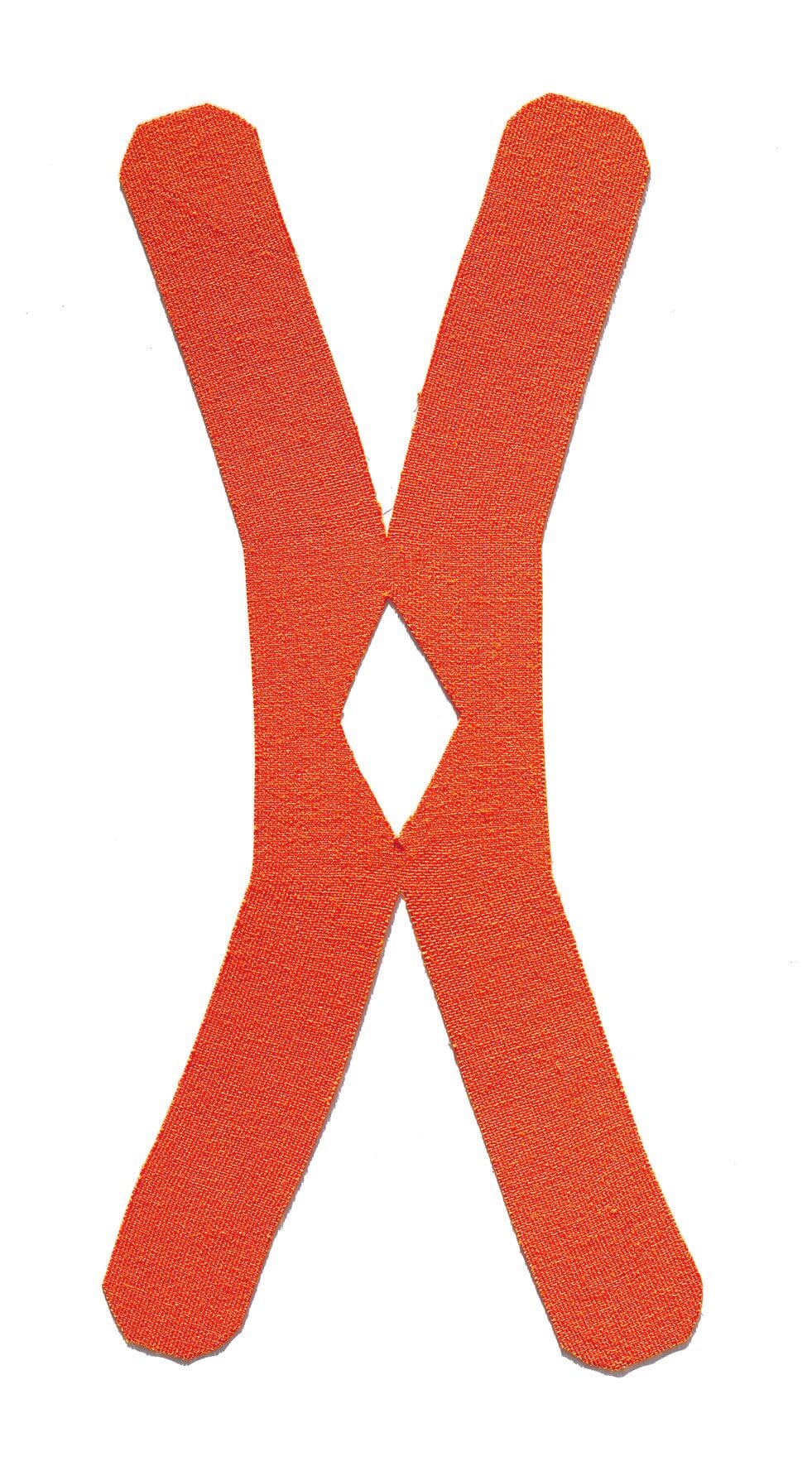
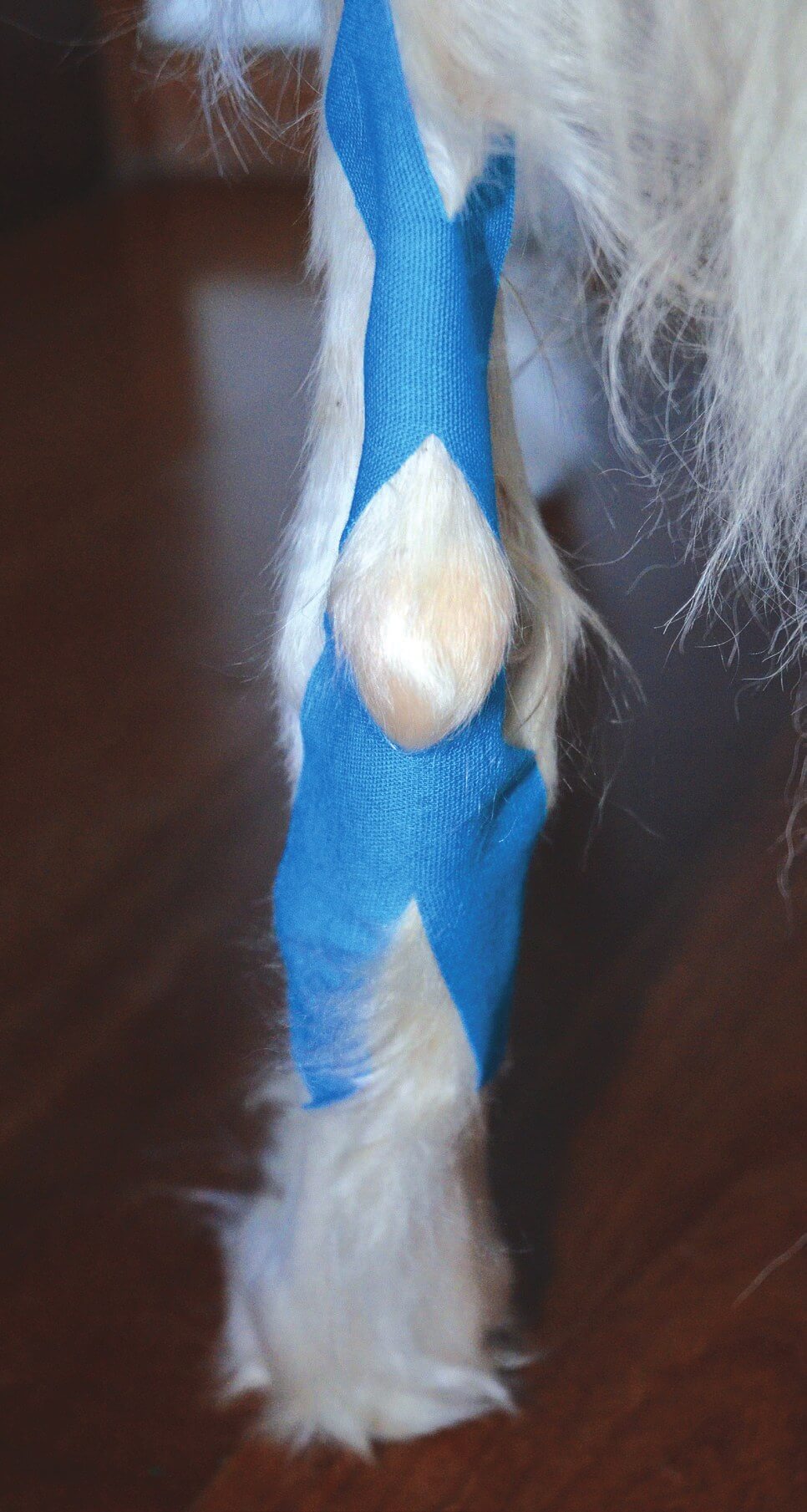
The Perforated “X” shape
An “X” with a hole cut in the centre. The hole can be placed over a bone prominence to avoid excess pressure, or over a wound to help hold a gauze dressing in place.
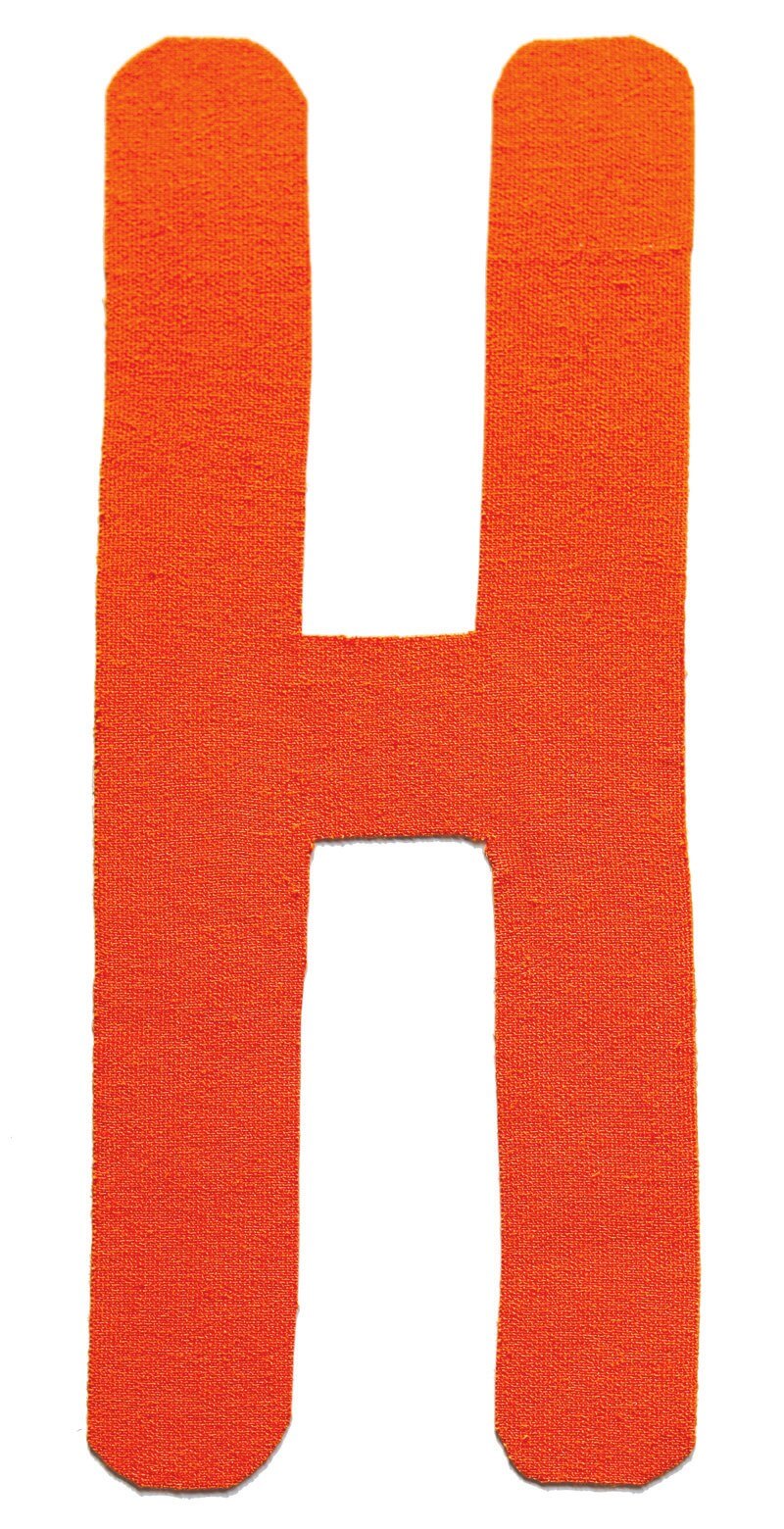
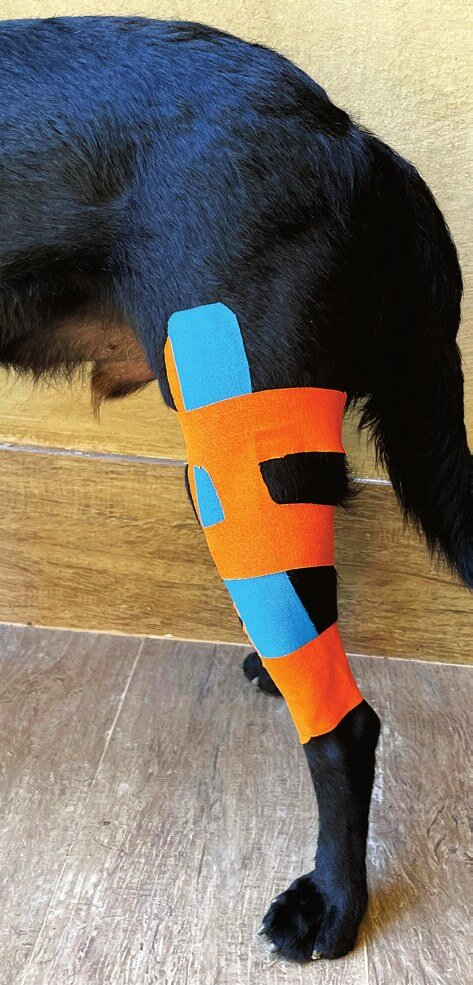
The “H” shape
Two stretchable sections either side of a non-stretchable centre bar. The non-stretch part is positioned precisely over the area needing support, most often used for stifle (knee) stability – see our CCLD Double H taping guide.
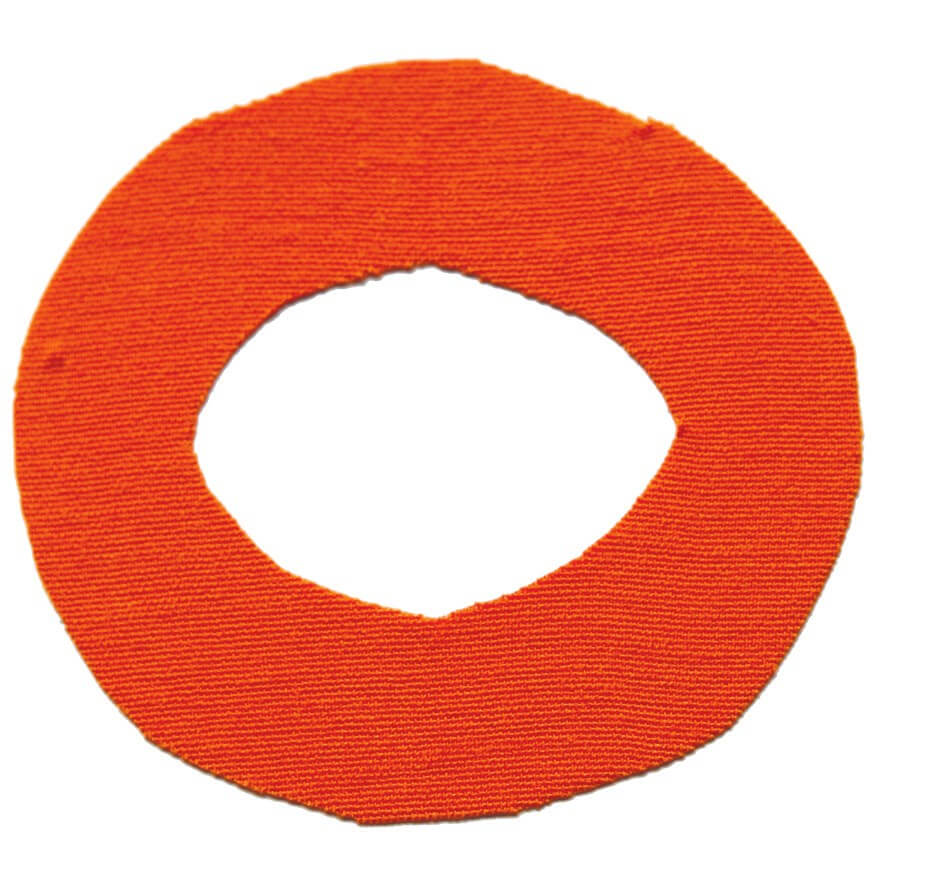
The “O” shape
A circular piece of tape. Useful for holding a bandage or gauze in place over a rounded area, such as a small wound, or a dressing near the eye.
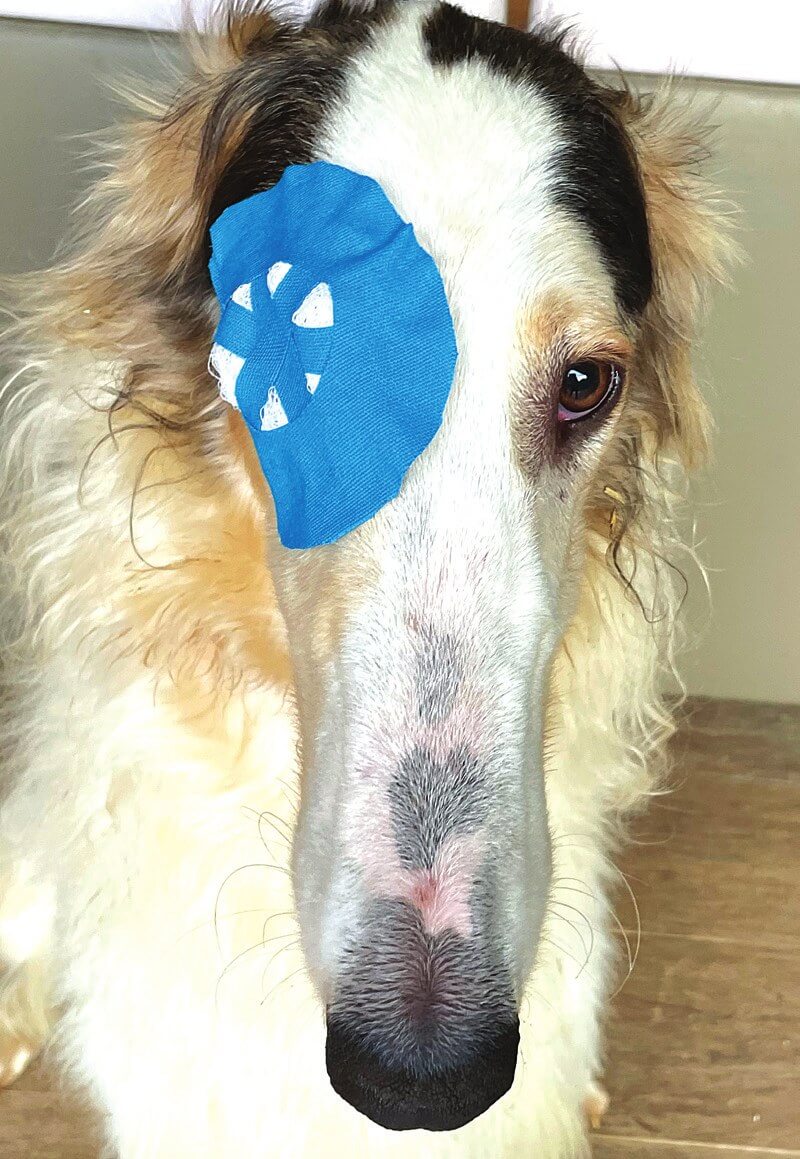
The Lymphatic shape
One end serves as an anchor, with the rest cut into four or more thin strips resembling a hand or fan. Designed to spread the tape over a larger area with very light stretch, making it the go-to cut for oedema reduction – see our proprioception and facial swelling guides.
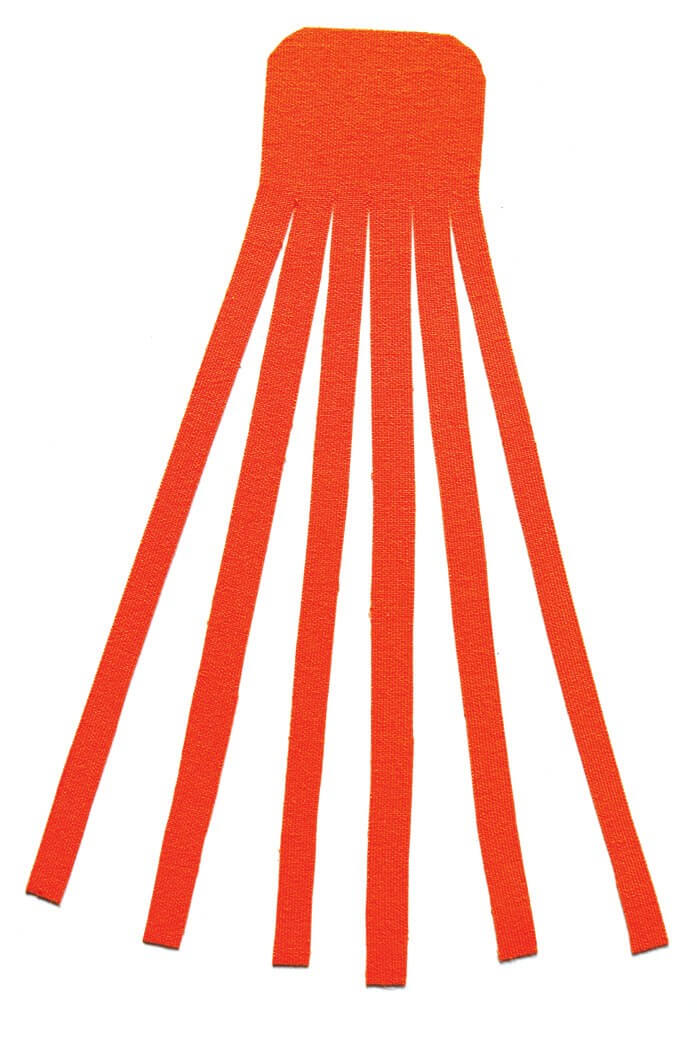
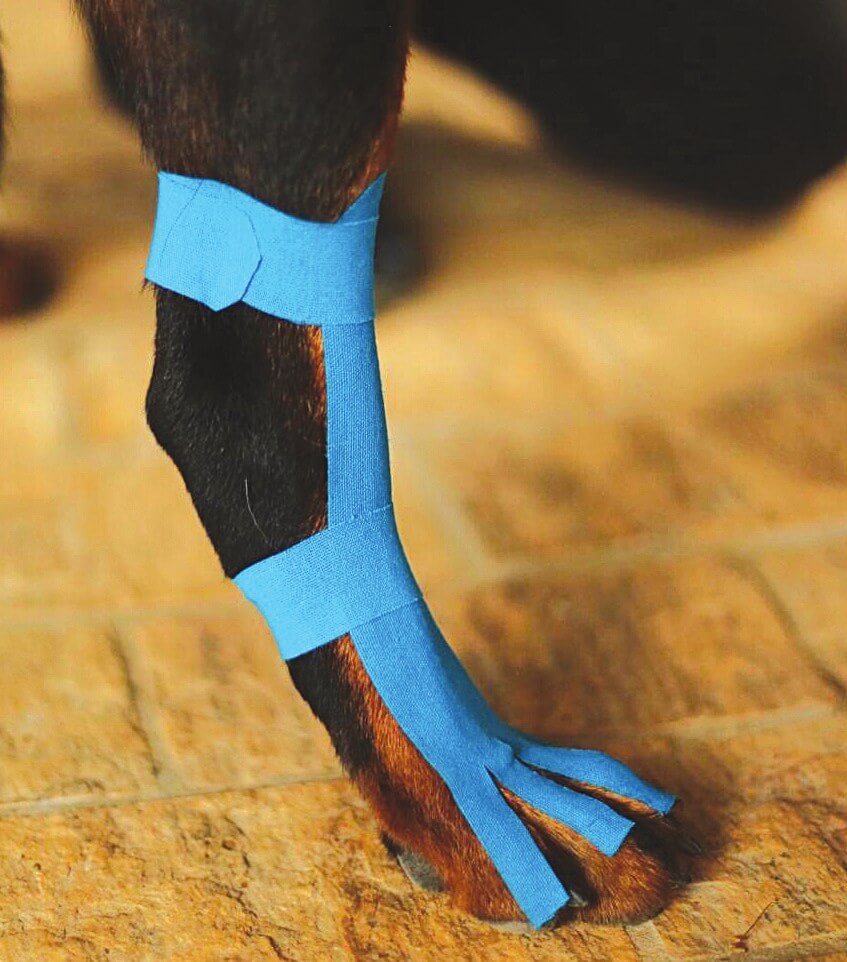
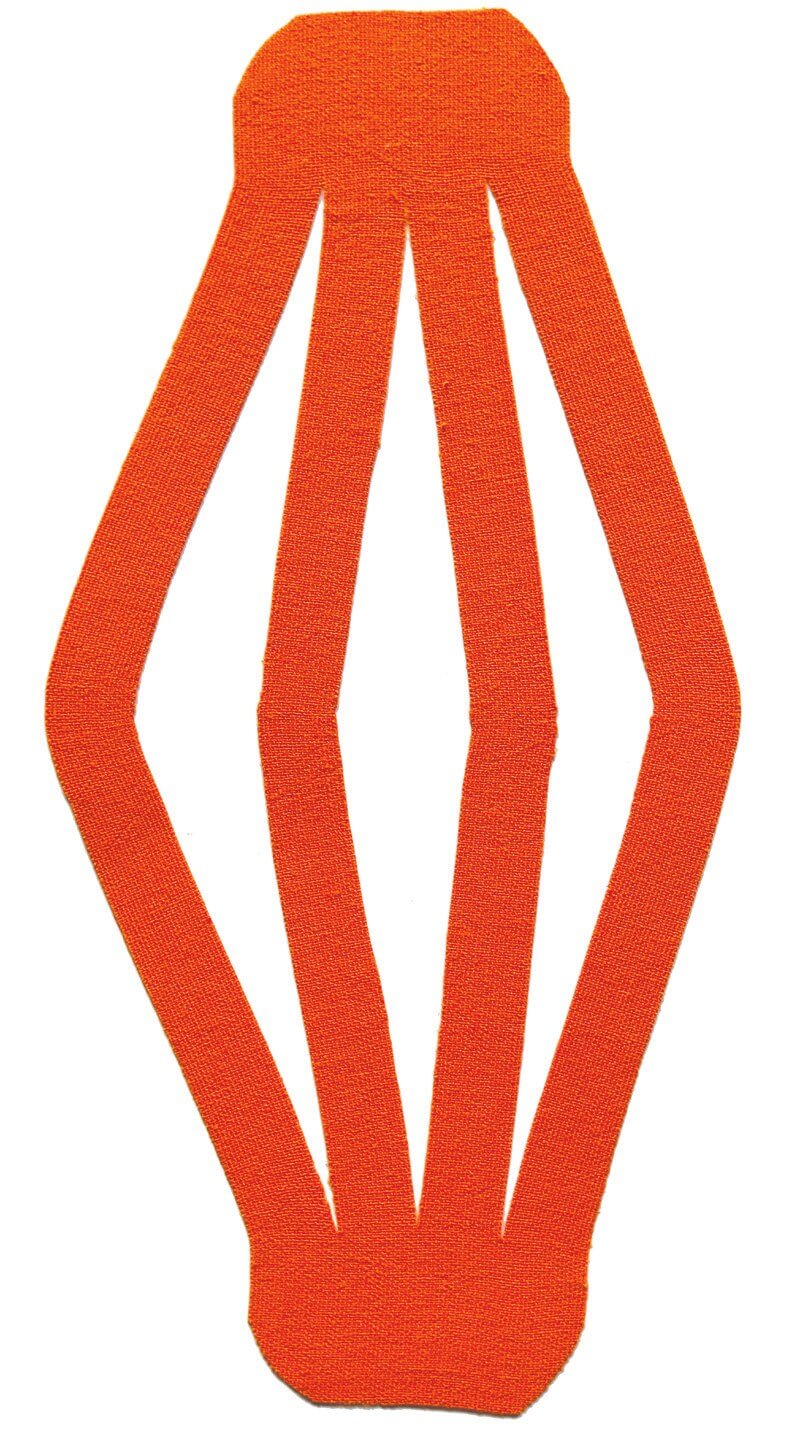
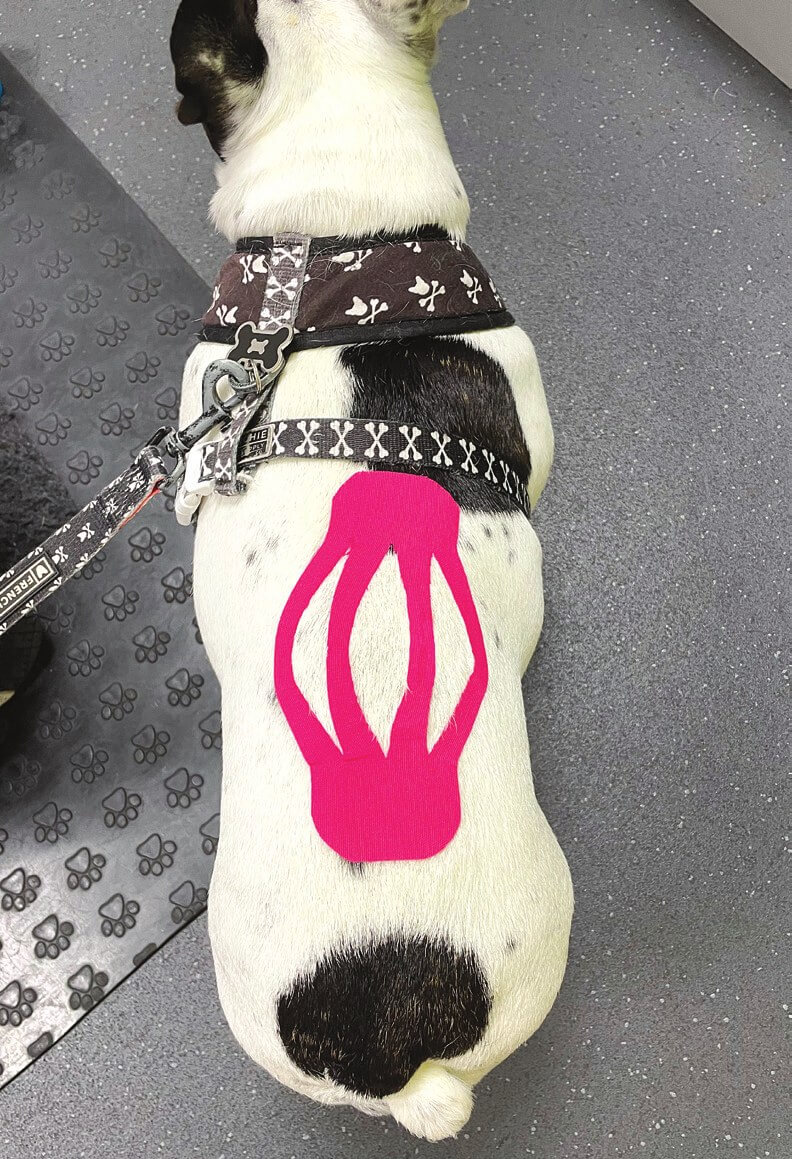
The Web shape
An “I” with the centre cut into several strips, increasing the area covered while providing a gentler stimulus than a solid strip. Mainly used for pain relief.
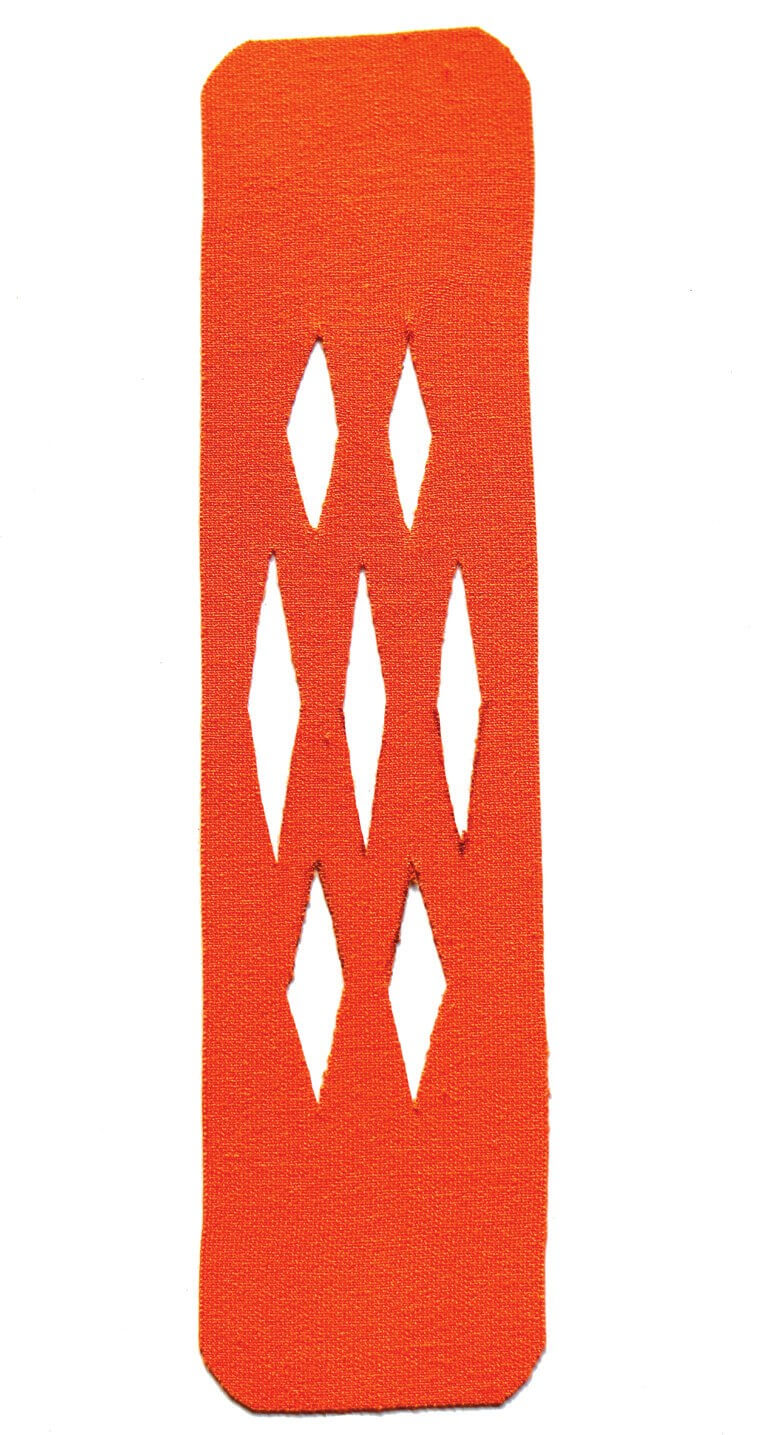
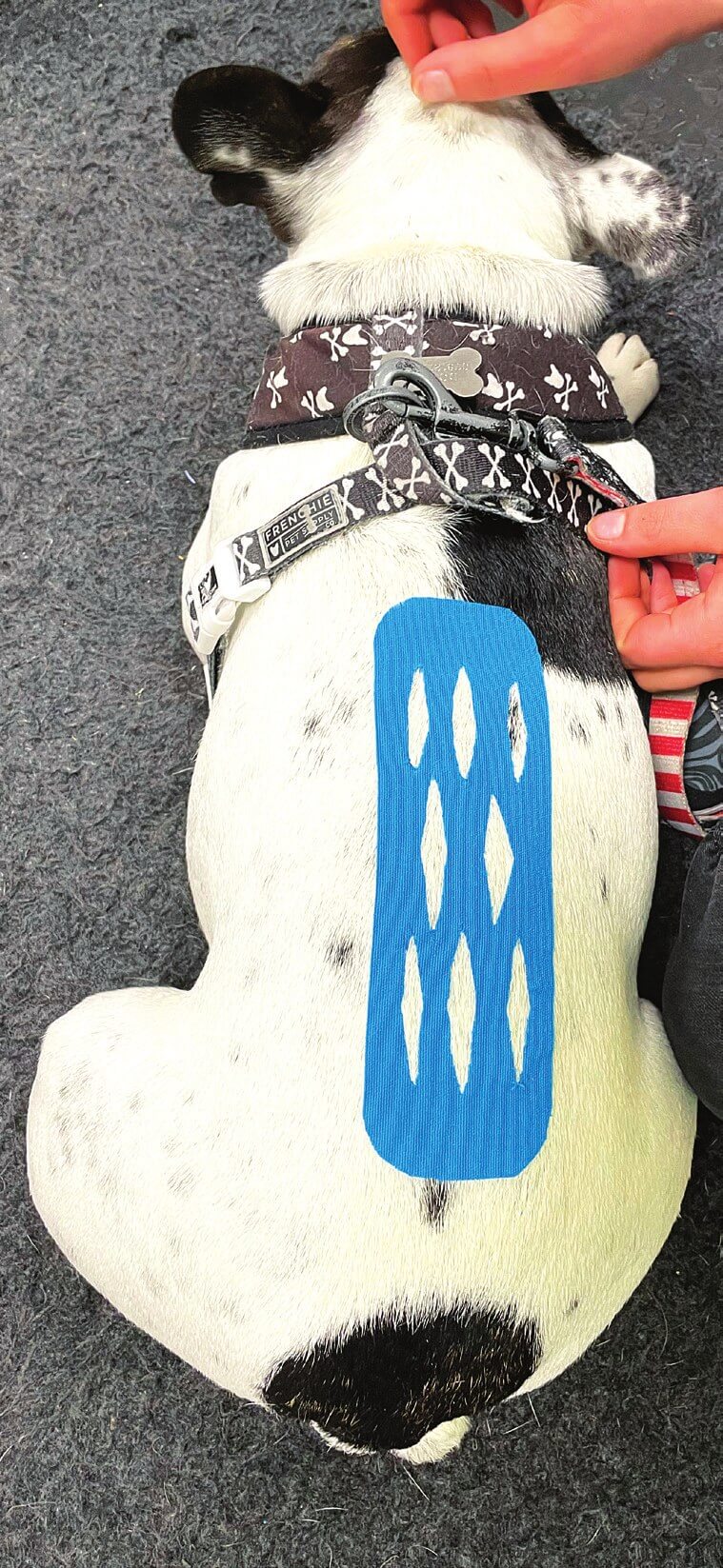
The Basket shape
An “I” with diamond-shaped holes cut along its length, making it more breathable than a solid strip while still covering a similar area.
Combining shapes
Several of the shapes above can be combined into more elaborate patterns for specific effects:
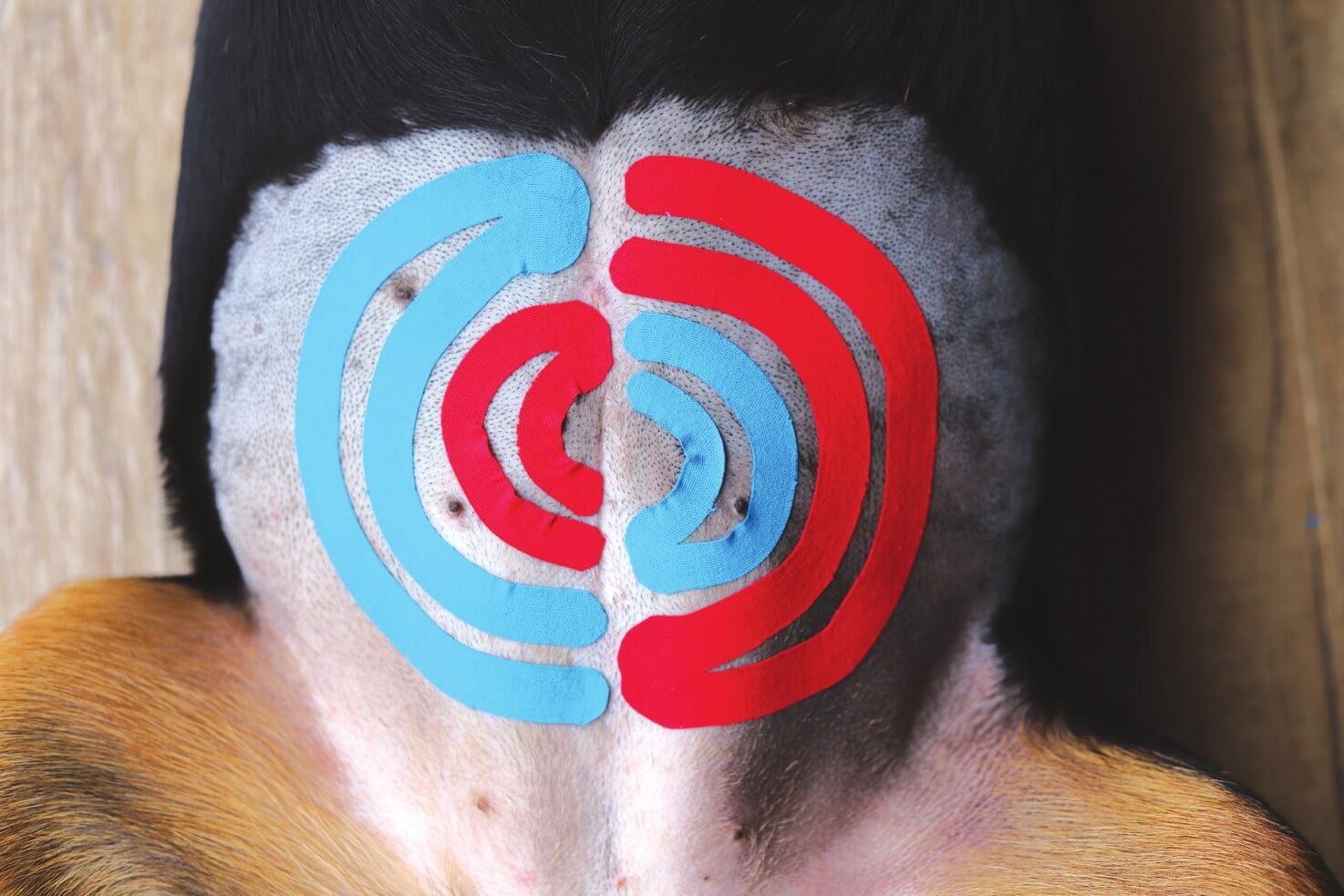
Spiral technique
Several “Y” tapes applied in a spiral arrangement, creating a rotational line of force. Can be used, for example, over the abdomen to create lines of force over the intestinal region.
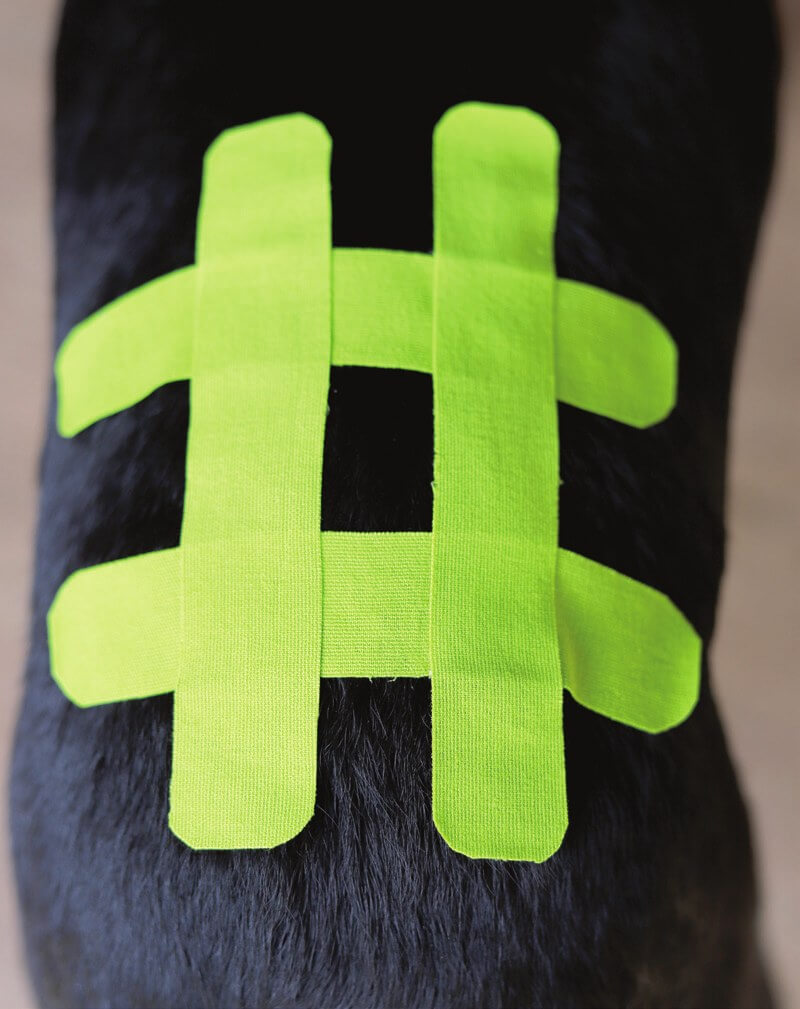
Hashtag technique
Multiple “I” strips applied in a grid to form a net covering a larger area. Can be used for pain relief with a paper-off stretch, or for support with medium to strong stretch.
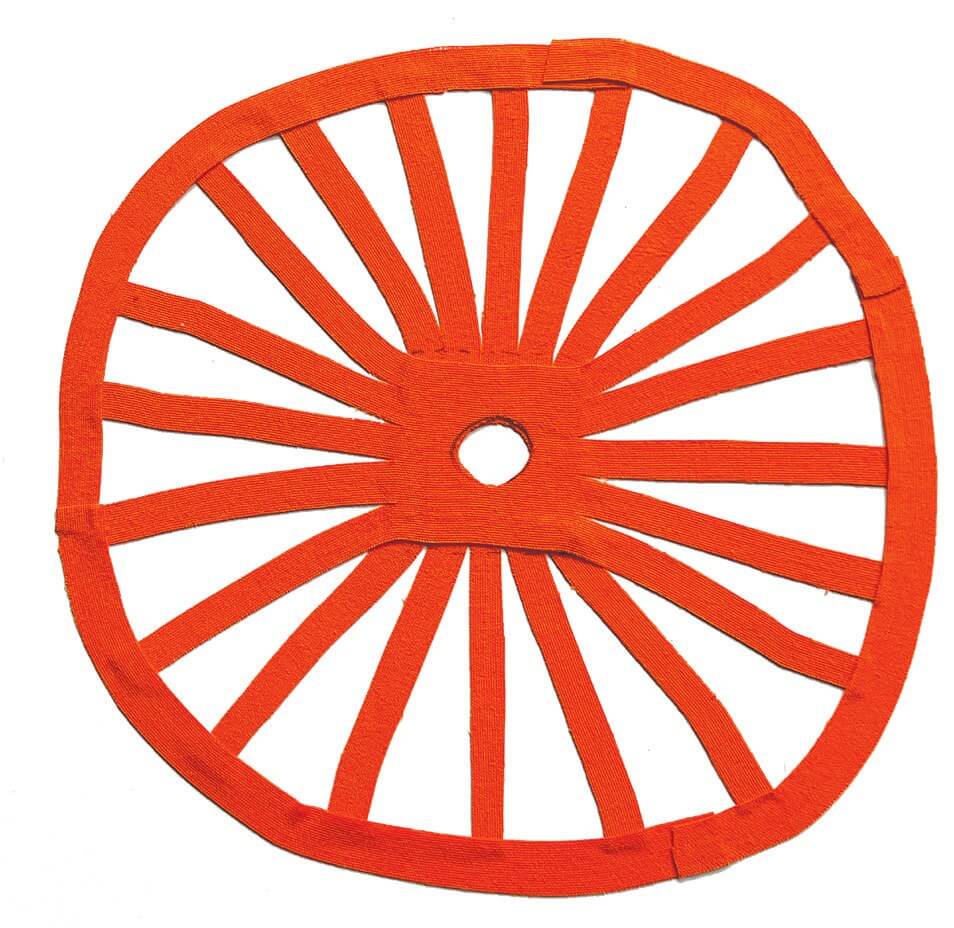
Starfish technique
A double Lymphatic tape with a hole in the centre, closed with an “I” around the edge. Used for pain relief or to cover dermatome areas.
Choosing the right cut
- Start with the simplest shape that will do the job – the “I” covers most functional applications on its own.
- Reach for the Lymphatic, Web or Basket shapes when you need to cover a larger area or want a gentler, more breathable application.
- Use the “H” when a specific area needs a non-stretch anchor combined with stretchable support either side of it.
- Always round the edges of any cut to reduce the chance of the tape lifting or peeling early.
More information:
Please note that applications provided on our website are not clinically proven. All mentioned applications are based on extensive evaluation and case studies with licensed veterinarians and/or canine physiotherapists. Always have the underlying cause of lameness diagnosed by a veterinarian before applying tape.
Attention: Mentioning source is mandatory, when using the content on this page.